Timeless Poker Variants That Still Shine
16 July 2026 | 373
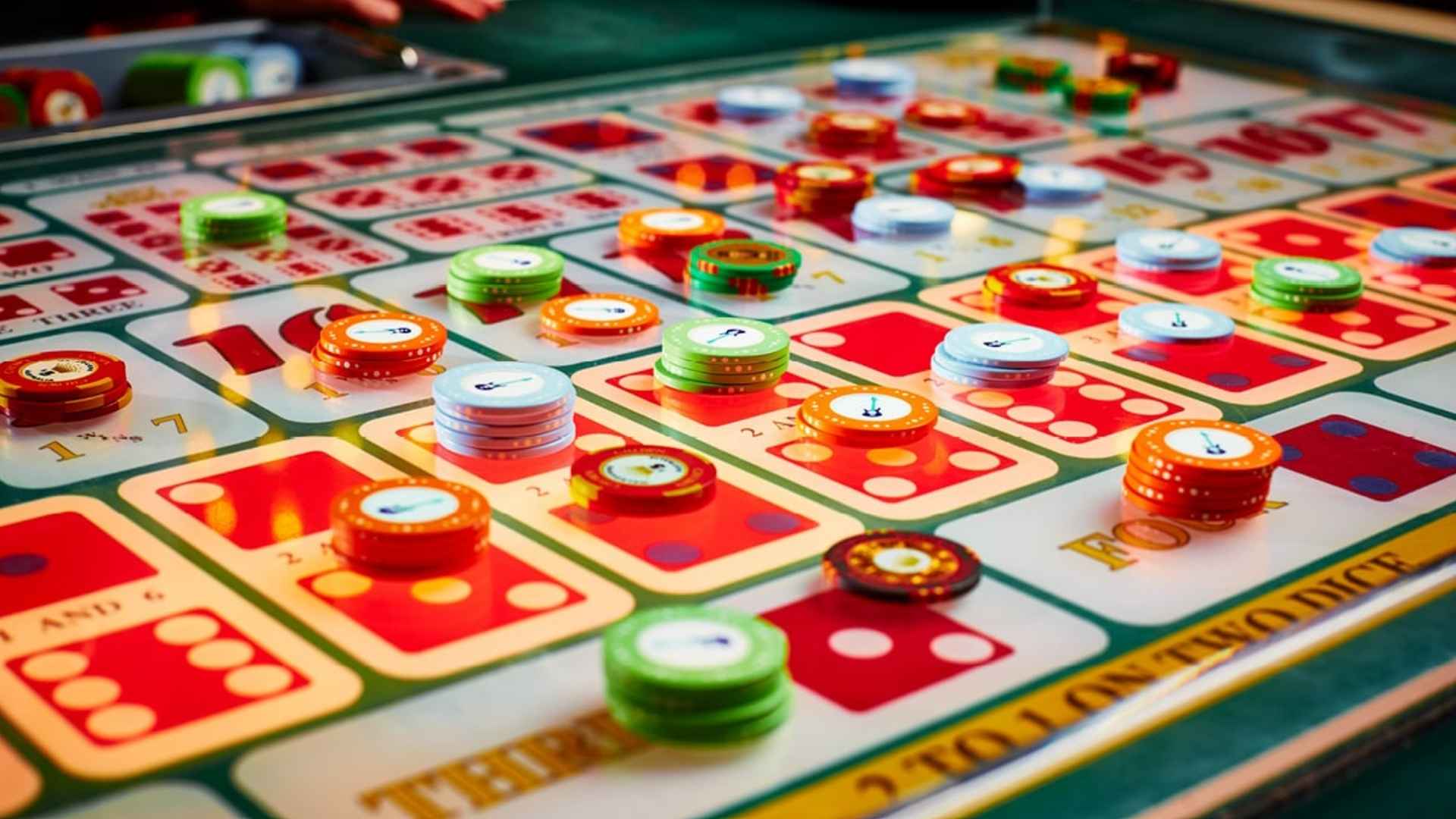
While modern tournament tables are heavily dominated by Texas Hold'em, a rich history of alternative card games continues to thrive among passionate players. These classic formats offer unique strategic challenges and a refreshing change of pace from standard community card setups. Exploring these traditional variations can greatly enhance your analytical skills and deepen your overall appreciation for the game of poker.
The Enduring Legacy of Seven Card Stud
Before the massive boom of community card games in the early 2000s, Seven Card Stud stood as the premier test of poker skill across the globe. This classic format requires players to pay close attention to exposed cards to accurately calculate their mathematical odds. The lack of shared community cards ensures that every participant must develop a unique strategy based entirely on their private holdings and visible table clues.
Success in this discipline relies heavily on memory retention and patient observation of your opponents' betting habits. Because information is revealed incrementally across multiple street deals, players must adjust their ranges dynamically as the hand progresses. For enthusiasts looking to test their tactical discipline on structured platforms, engaging with trusted operators like Mansion88 provides a highly competitive and secure environment to practice.
The Pure Psychology of Five Card Draw
Widely regarded as the simplest form of the game, Five Card Draw remains a beloved classic for casual home games and family gatherings. This variant eliminates the complexity of community cards or exposed layouts, keeping all active cards entirely hidden from view. This complete lack of public information shifts the gameplay focus heavily toward psychological warfare, reading physical tells, and strategic bluffing.
The core mechanic revolves around the draw phase, where players can discard unwanted cards in hopes of improving their hand strength. Deciding how many cards to draw sends a powerful signal to the rest of the table about your potential hand value. Mastering this delicate balance of deception and probability is what makes this traditional game endlessly fascinating for players of all skill levels.
The Lowball Thrill of Razz Poker
For players who find traditional high-ranking hand strategies repetitive, Razz offers an exciting and inverted way to experience the card table. Operating under the structure of Seven Card Stud, this lowball variant awards the entire pot to the player holding the lowest five-card combination. The complete reversal of hand values forces players to discard standard expectations and rethink their starting hand selection entirely.
In this format, aces are celebrated as the lowest and most valuable cards, while straights and flushes do not count against your low status. This creates a highly strategic environment where the ultimate goal is to build a perfect low combination known as the wheel. Navigating the unique betting structures of this game requires incredible mental discipline and a deep understanding of shifting probability curves.
The Dynamic Actions of Omaha Hi Lo
Omaha Hi-Lo split-pot poker introduces an intense mathematical challenge that appeals directly to analytical and structured competitors. Players are dealt four private hole cards and must construct both a high and a low hand using exactly two of them. This dual objective dramatically increases the potential combinations and requires players to constantly evaluate their scooping potential.
Winning both halves of the pot is the ultimate goal, which demands strict starting hand requirements and disciplined post-flop decision-making. Chasing marginal low draws can often lead to getting quartered, making variance control exceptionally important. Exploring this split-pot dynamic provides valuable insights into equity calculations that can elevate your overall card playing versatility.